Liquid Injured Hearing

Enhance your ideas with more creative

  • Home
  • Games
  • Home
  • Business
  • Drop Message

CategoryHome

Engineered Pool Restoration + Ceramic Tiling (What Actually Happens)

Posted on May 3, 2026April 30, 2026

If someone tells you pool tile “is just tile,” don’t hire them. A pool is a chemically aggressive, constantly wet, thermally stressed box that moves a little, ages a lot, and punishes shortcuts. Pretty tile over a sick shell is decoration, not restoration.

One-line truth:

A great-looking pool surface that fails in two seasons is still a failure.


 Start with the unglamorous part: the inspection

You don’t begin with tile samples. You begin with skepticism.

Walk the shell. Tap for hollow spots. Trace cracks and ask what kind of crack it is: shrinkage? structural? bond-beam movement? Then you look around the pool, because the deck and coping love to telegraph problems before the shell does, differential settlement, soil issues, drainage dumping water where it shouldn’t. Efflorescence isn’t “a stain,” it’s a clue.

If I sound intense, it’s because I’ve seen beautiful pools delaminate because someone ignored moisture migration and called it “surface prep.” That’s why thorough assessments are such a critical part of engineered pool restoration and ceramic tiling services.


 What gets checked (in a real assessment)

– Shell integrity: cracking patterns, spalls, exposed steel, rust staining

– Coping + tile line stability: loose pieces, failed mortar beds, bond beam movement

– Moisture conditions: damp substrate, vapor drive, hydrostatic pressure risk

– Deck-to-pool interface: joints, drainage slope, water tracking behind finishes

– Plumbing + hydraulics: returns, skimmers, drains, suspected leaks, flow balance

– Electrical + equipment: lights, bonding/grounding, pump/filtration match to pool volume

Now, this won’t apply to everyone, but if your pool has a history of “mystery water loss,” the tile scope is automatically also a leak-detection scope. Otherwise you’re tiling over a question mark.


 Structural health before tiling: don’t get romantic about cracks

Cracks aren’t automatically catastrophic. Some are old and stable. Some are active and hungry.

Here’s the thing: tile doesn’t bridge movement well. It broadcasts movement. If the shell is shifting, the tile will be the first to complain, usually by tenting, debonding, or hairline fractures that grow into grout failure.

A proper pre-tile evaluation often includes:

– mapping cracks and monitoring whether they’re active

– checking flatness and plane (walls can bow more than you think)

– verifying the concrete surface condition: soundness, contamination, and alkalinity

– inspecting steel exposure and corrosion potential at joints and penetrations

And yes, moisture testing matters. Pools are wet structures; that doesn’t mean you can ignore vapor pressure behind a membrane or adhesive system. You just choose systems designed to live with it, and you prep the substrate like you mean it.


 Surfacing choices: longevity isn’t one number, it’s a relationship

People ask, “What lasts the longest?” and I usually answer: “The surface that matches your pool’s reality.”

Plaster, aggregate finishes, tile, polymer-modified systems, each has a different tolerance for chemistry abuse, freeze-thaw cycling, and workmanship errors. Tile can last decades, but it’s less forgiving if movement joints are wrong or waterproofing is treated like an optional add-on.

A quick, opinionated read:

– Ceramic/porcelain tile: best for aesthetics and long service life when the assembly is engineered correctly; highest consequences when it isn’t.

– Plaster: lower upfront cost; more frequent resurfacing; sensitive to water chemistry.

– Polymer-modified cementitious systems: strong mid-to-premium performer; still lives or dies on prep and detailing.


 One data point (because reality matters)

The Portland Cement Association notes that concrete expands and contracts with temperature, typical thermal expansion values are around ~10 microstrain/°C for normal-weight concrete (PCA reference materials on concrete properties). That sounds tiny until you multiply it across a long bond beam and then lock it under rigid tile without movement joints. Little numbers break expensive finishes.


 Drainage + waterproofing + movement joints: the “boring” trio that decides everything

If water is allowed to sit where it shouldn’t, it will. If it can get behind tile, it will. If the structure wants to move and you don’t provide a joint, it’ll create one for you, right through the grout line.


 Drainage planning (practical, not theoretical)

You want water moving away from:

– the pool perimeter interface

– deck joints and low points

– any place where it can build hydrostatic pressure or saturate backfill

That means slope design, controlled discharge, and inspection points you can actually access later. I’m a fan of “design it so future-you can troubleshoot it without demolition.”


 Waterproofing strategy

Membranes aren’t magic paint. They’re part of a system: substrate → prep → primer (if required) → membrane → setting material → tile → grout → sealants.

Compatibility is everything. Chemical resistance matters too, because pool environments aren’t gentle, chlorinated water, cleaning acids, UV exposure, thermal cycling. Mix random products and you’re basically building a science experiment.


 Movement joints (where amateurs lose the plot)

Joints should be placed where movement is expected: changes of plane, long runs, perimeters, transitions, and around penetrations. They need the correct width, backer rod, and sealant that stays elastic under chemical exposure.

If a contractor says “we grout those corners solid for a cleaner look,” that’s not “clean.” That’s brittle.


 Picking epoxies, grouts, and tile that behave as a team

Tile is the visible part. The hidden layers are the real job.

In a pool, you’re choosing materials based on:

– water absorption and body strength (tile matters here)

– chemical resistance (grout and setting materials matter more than people think)

– cure windows and temperature tolerances (install conditions can ruin premium products)

– shrinkage/expansion behavior across the system

I’m biased toward disciplined product systems, same manufacturer, documented compatibility, because warranty fights are miserable and usually pointless. Also: batch traceability is not overkill. When something goes wrong, you’ll want receipts, lot numbers, mixing ratios, pot life logs…the unsexy paperwork.

Look, epoxy grout can be fantastic in pools. It can also be a sticky disaster if the crew isn’t trained, the cure conditions are wrong, or the cleanup timing is missed by even a little.


 Surface prep: the phase that decides whether you’ll be happy in five years

Prep isn’t a step. It’s a campaign.

Old coatings come off. Weak material comes off too (even when it’s inconvenient). Efflorescence and contaminants get dealt with mechanically and chemically as appropriate. You profile the surface to match the adhesive system, enough tooth for bond, not so much that you create peaks that starve coverage.

Then you manage the environment: dust control, masking, humidity, temperature, cure times. If the substrate is damp and the product doesn’t tolerate it, you don’t “hope.” You change the plan.

In my experience, the best tile jobs look almost boring during install, clean staging, consistent mixing, steady checking, zero improvisation.


 Layout + pattern planning: grids, offsets, tolerances (aka “measure twice” isn’t enough)

Some pool shapes are polite rectangles. Most aren’t.

You establish reference lines that don’t lie: true verticals, level benchmarks, and grid lines that carry through steps, benches, and transitions. Then you test the pattern dry, especially on curves and tight radii, because sheet-mounted mosaics can “creep” and telegraph errors over distance.

A few realities installers have to respect:

– grout joints aren’t just aesthetics; they’re spacing controls

– cuts at corners and fittings need a strategy, not a panic

– tolerances must match the tile size and the pool geometry

Sometimes the right call is to adjust the pattern slightly to avoid sliver cuts where everyone will stare forever. Purists hate that. Homeowners usually love it.


 Installation for chemical + temperature resilience (the specialist briefing)

Pool installations should follow manufacturer specs and recognized standards (yes, that means reading the fine print).

Key technical controls:

– substrate flatness within the tolerance demanded by the tile format

– adhesive selection rated for continuous immersion where required

– correct trowel size and coverage verification (voids behind tile invite failure)

– controlled cure conditions: temperature and humidity within specified ranges

– in-situ bond checks where warranted, especially on repairs and transitions

– detailing around penetrations: lights, returns, skimmers, drains

Chemical exposure isn’t theoretical. Chlorine, bromine systems, pH swings, acid washing habits, all of it punishes marginal material choices.


 Final touches: sealing, epoxy curing, and non-slip finishes

This part looks simple. It isn’t.

Sealants must be installed on clean, properly dimensioned joints with correct backer rod placement. Epoxies must be mixed accurately, close doesn’t count, and applied at the specified thickness. Cure times are not “when it feels dry.” They’re when the chemistry is finished.

Non-slip finishes are also a balancing act. Too aggressive and you’ll shred knees and collect dirt. Too smooth and you’ve built a hazard. Wet testing and common sense both belong here.

(And if you have pool lighting or water features, think about glare and reflectance now, some glossy surfaces look amazing at noon and awful at night.)


 Maintenance: the job isn’t over when the water goes back in

Pool surfaces fail faster when maintenance is sloppy. That’s not a scold; it’s just physics and chemistry.

A workable routine tends to win:

– weekly visual checks for grout cracks, hollow sounds, or edge lifting

– non-abrasive cleaning (abrasives eat grout and finishes over time)

– water chemistry kept stable, especially pH, alkalinity, calcium hardness, sanitizer levels

– filtration and circulation tuned so chemicals don’t “hot spot” surfaces

– prompt repairs when small problems show up (waiting is expensive)

If you remember one thing: stable water chemistry is part of the finish system, not separate from it.


 A final, blunt perspective

Restoration isn’t the tile. Restoration is the sequence, assessment, prep, waterproofing, jointing, compatibility, installation discipline, and maintenance. When those line up, the aesthetics show up almost automatically. When they don’t, you’ll be redoing “beautiful work” sooner than you want.

Why Custom Patio and Pergola Builders Usually Beat DIY Kits (and when they don’t)

Posted on April 27, 2026April 29, 2026

Hot take: most DIY patio and pergola kits are fine, right up until your yard, your climate, and your local building department remind you you’re not building on a showroom floor.

I’m not anti-DIY. I’ve done plenty of it. But patios and pergolas live outside, take wind loads, deal with water, and sit on soil that loves to move. When you hire a custom builder, you’re not just paying for hands and lumber. You’re buying fewer unknowns.

One-line truth: The “kit” is the easy part. The site is the hard part.

premium outdoor lifestyle structures

 DIY kit vs custom build: the difference isn’t the wood, it’s the decisions

If you’re comparing a boxed pergola kit to a custom build, you’re usually staring at price tags and photos. That’s normal. But the gap shows up in the stuff you don’t see until later.

A competent builder, especially experienced custom patio and pergola builders, walks the property and starts asking questions that sound boring and end up saving you money:

– Where does water go during a hard rain?

– What’s the soil doing under freeze, thaw cycles?

– Do you need footings below frost depth?

– What’s the wind exposure on that corner of the yard?

– How will this tie into the house (or should it not tie in at all)?

DIY kits assume a lot. Flat ground. Predictable anchoring. Convenient access. No tricky grading. And, honestly, a forgiving inspector.

A custom builder doesn’t get to assume. They measure. They calculate. They design around reality.


 The permitting/code piece: unsexy, expensive if you ignore it

Now, this won’t apply to everyone, but if you’re in a city or suburb with active permitting, DIY can turn into a paperwork wrestling match fast.

Pros typically handle:

– permit drawings or engineered sketches when needed

– setbacks and property-line rules

– post base/anchor specs that match code

– inspection scheduling and corrections

And here’s the quiet advantage: a builder who works locally already knows what your inspectors tend to flag. That tribal knowledge is not in the kit manual.

For a quick data point: the International Code Council notes that decks (and by extension similar attached outdoor structures) need to meet specific structural and safety requirements, and many jurisdictions require permits and inspections depending on size and attachment. Source: International Code Council (ICC), residential code guidance and local adoption practices: https://www.iccsafe.org/

That doesn’t mean your DIY project is doomed. It means the “cheap” route can become the “slow” route.


 Custom design isn’t just pretty. It’s functional in ways kits rarely are.

Here’s the thing: curb appeal is nice, but use is what makes you love the space.

Custom builders design around how you actually live out there. Not how a product photo stages it.

A good layout thinks about:

Movement patterns

You shouldn’t have to squeeze past chairs to get from the grill to the table. Sounds obvious. I’ve seen it happen constantly.

Zones that don’t fight each other

Cooking smoke drifting into the lounge area is a classic rookie mistake. So is putting the fire feature where wind turns it into a face-level hair dryer.

Sightlines

A pergola can frame an entryway or a garden view. Or it can block the one window that mattered. Custom planning prevents dumb regrets.

Lighting and power (planned early)

Running conduit after the fact is annoying and often ugly. Done right, lighting feels effortless. Done late, it looks like an apology.

DIY kits tend to land in the yard like furniture. Custom work integrates like architecture.


 Materials and hardware: this is where builders quietly earn their money

Most homeowners focus on the big components: posts, beams, decking boards. The long-term performance often comes down to the unglamorous stuff: connectors, fasteners, coatings, and how water is managed.

A specialist will spec things like:

– corrosion-rated fasteners matched to treated lumber chemistry

– proper post bases that keep wood off standing water

– beam spans sized for real loads (not “close enough”)

– flashing details if anything attaches near the house

– drainage and slope so water leaves instead of lingering

I’ve seen gorgeous DIY pergolas fail early because the base details were wrong. The wood didn’t “suddenly rot.” Water sat where it shouldn’t, fasteners corroded, and the structure got spongy. That’s not bad luck. That’s design.


 Warranties, maintenance, and the part nobody wants to read

DIY kits can come with product warranties, sure. But labor? Installation errors? Site issues? That’s on you.

A reputable custom builder will spell out warranty boundaries clearly and give you a maintenance plan that’s not just “seal it sometimes.”

Expect specifics like:

– how often to clean and what to avoid using

– when to recoat stain/sealant based on exposure

– inspection points for fasteners, post bases, and checks/splits

– what “normal” movement looks like versus a problem

Look, wood moves. Composite expands. Metal heats up. Maintenance isn’t optional, it’s just a choice between small work now or expensive work later.


 Total investment: the hidden savings are real (but not magical)

DIY can absolutely be cheaper upfront. Sometimes dramatically.

But the full cost isn’t just materials. It’s also:

– tool purchases or rentals

– disposal fees

– your time (and the opportunity cost of that time)

– mistakes that require rework

– premature replacement because drainage or foundations were skipped

– “we’ll fix it next season” projects that never get fixed

Custom builds often win financially over the long arc because they reduce the expensive failures: settling, heaving, loosening connections, water damage, and that slow creep of repairs that makes the whole structure feel tired after only a few years.

No guarantees in life, but quality construction makes outcomes more predictable. I like predictable.


 “So how do I vet a builder?” Ask questions that make them show their process.

Some contractors sell charm. Others sell process. You want the second type.

Here are questions that tend to separate professionals from improvisers:

– Can you show projects like mine (similar size, similar site conditions), and what went wrong on at least one of them?

– Who’s pulling permits, and who’s meeting inspectors?

– What’s your plan for drainage and soil movement? Don’t accept hand-waving.

– What hardware/fasteners are you using and why? If they can’t explain, that’s a problem.

– How do changes work mid-project? Pricing, documentation, approvals.

– What does the payment schedule tie to? Milestones should be measurable, not vibes.

– Who’s the day-to-day point of contact? And how often do you get updates?

If the answers feel slippery, they probably build slippery projects.


 The honest middle ground (because not every kit is a mistake)

Sometimes a DIY kit is exactly the right move: small scale, low risk, no attachment to the house, and you’re genuinely comfortable with layout, anchoring, and basic code research. Great. Build it. Enjoy it.

But if you’re dealing with slopes, wind exposure, freeze, thaw, complicated shapes, tight property lines, or you simply want it to look like it belongs with the home instead of landing beside it… custom builders bring value that isn’t flashy. It’s structural. It’s aesthetic. It’s logistical.

And, over time, it tends to show.

Soft Linen Curtains Offering Natural Beauty and Comfort

Posted on March 1, 2026March 9, 2026

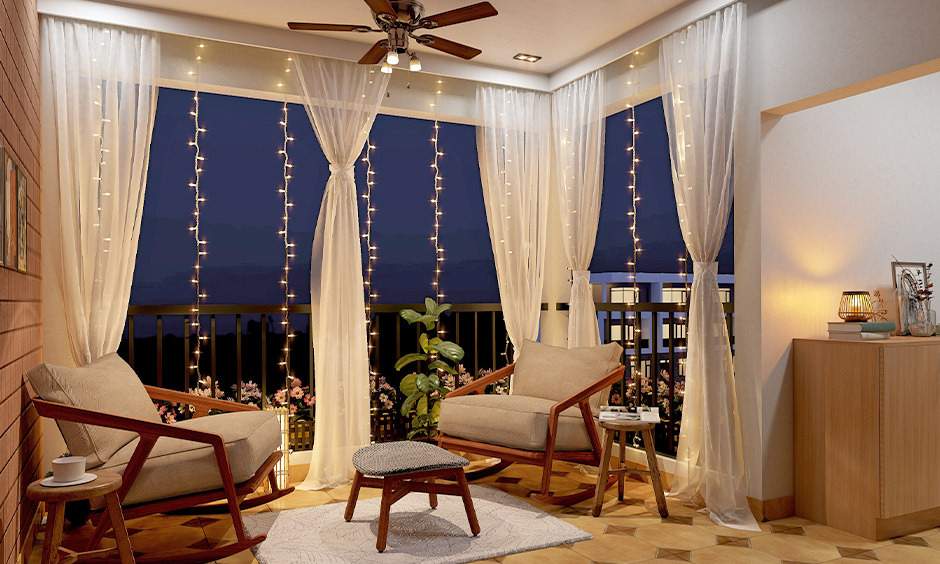
Soft linen gordijnen are a timeless choice for homeowners seeking both elegance and functionality. Combining natural textures with a relaxed, airy feel, these curtains enhance any interior while providing practical benefits. Perfect for modern, rustic, or minimalist spaces, linen curtains are increasingly popular for those who appreciate sustainable and versatile decor.

Natural Texture for a Warm, Inviting Space

Linen’s unique texture adds depth and character to any room. Unlike synthetic fabrics, linen offers subtle variations in weave and tone, creating a soft, natural appearance that complements diverse interior styles.

  • Organic Appeal: Linen’s natural fibers bring warmth and authenticity to living spaces.
  • Versatile Style: Works effortlessly with contemporary, classic, or bohemian decor themes.
  • Layering Potential: Pairs beautifully with sheer or heavier curtains for dynamic window styling.

Enhanced Comfort with Soft, Breathable Fabric

Beyond visual appeal, linen curtains offer an exceptional tactile experience. Their soft, lightweight nature allows them to drape gracefully, enhancing the comfort of any room.

  • Breathability: Linen promotes airflow, keeping rooms fresh and naturally ventilated.
  • Gentle Touch: The soft fabric feels pleasant against the skin, adding a cozy ambiance.
  • Temperature Regulation: Helps maintain a comfortable indoor climate, providing coolness in summer and gentle insulation in winter.

gordijnen

Light and Airy Ambiance

Soft linen curtains filter sunlight subtly, creating a bright, airy environment that elevates mood and atmosphere. Their semi-translucent quality lets natural light in while offering privacy.

  • Diffused Lighting: Softens harsh sunlight and creates a soothing glow.
  • Privacy Without Darkness: Maintains discretion without blocking light entirely.
  • Mood Enhancement: Encourages a relaxed and welcoming environment for living and working spaces.

Durability Meets Sustainable Living

Linen is celebrated not only for its aesthetic qualities but also for its longevity and eco-friendliness. Choosing linen curtains is an investment in both style and sustainability.

  • Long-Lasting: Linen becomes softer and more supple with each wash, maintaining beauty over time.
  • Eco-Conscious Choice: Derived from natural flax fibers, linen is biodegradable and renewable.
  • Low Maintenance: Resistant to wear and fading, linen is easy to care for while keeping its elegant appearance.

Easy Styling and Versatile Designs

Linen curtains adapt seamlessly to a wide range of decor needs, making them a flexible option for any home.

  • Neutral and Earthy Shades: Perfect for creating a serene, balanced aesthetic.
  • Customizable Lengths and Widths: Fits both large windows and smaller openings perfectly.
  • Complementary Accessories: Pair with tiebacks, curtain rods, or decorative trims to enhance overall decor.

Conclusion

Soft linen curtains are a perfect combination of natural beauty, comfort, and functionality. They bring warmth, elegance, and a breathable, airy ambiance to interiors while supporting sustainable living. Whether layered for depth, styled simply for minimalism, or used to diffuse sunlight gracefully, linen curtains remain an enduring choice for enhancing any space with effortless charm.

Explore Colours, Patterns, and Textures for Stunning Interiors

Posted on January 2, 2026January 12, 2026

Creating a visually captivating interior goes beyond just furniture and layout it is about weaving together colours, patterns, and textures that reflect personality and style. When thoughtfully combined, these elements can transform any space into a harmonious and inspiring environment.

Embrace the Power of Colours

Colours set the tone and mood of a room. Choosing the right palette can energize, soothe, or create a sense of balance:

  • Warm tones like oranges, reds, and yellows evoke energy and intimacy.
  • Cool shades such as blues, greens, and purples promote calm and relaxation.
  • Neutral colours including beige, gray, and white offer a versatile canvas to highlight textures and patterns.
  • Accent walls or statement pieces in bold colours can create focal points that draw the eye.

Experimenting with complementary or contrasting colours can add depth and dimension, giving every room a unique personality. De Mooiste Muren are a perfect balance of aesthetics and function, making your space both stunning and practical.

Patterns That Speak Volumes

Patterns bring movement and interest to interiors. They can be subtle or bold, depending on the desired effect:

  • Geometric designs create a modern and structured look, perfect for minimalist interiors.
  • Floral and botanical patterns add freshness and natural charm, connecting indoor spaces with nature.
  • Abstract or artistic prints introduce creativity and individuality, making spaces feel dynamic.
  • Layering patterns carefully like pairing stripes with florals can create visually stimulating combinations without overwhelming the room.

Incorporating patterns through rugs, wallpapers, curtains, or cushions allows for a playful yet elegant aesthetic.

Textures That Enrich the Senses

Texture engages touch as much as sight, adding richness and warmth to interiors:

  • Soft fabrics like velvet, chenille, or cotton create comfort and coziness.
  • Natural elements such as wood, stone, and wicker bring earthy, grounding energy to a space.
  • Metallic finishes like brass or bronze introduce a hint of luxury and sophistication.
  • Layering textures for instance, pairing smooth surfaces with rougher materials creates depth and intrigue.

Mixing textures carefully ensures a balanced, multi-dimensional environment that feels both inviting and stylish.

Tips to Harmonize Colours, Patterns, and Textures

  • Start with a base colour palette and build layers of texture and pattern around it.
  • Use patterns sparingly to avoid visual clutter.
  • Blend contrasting textures to create warmth and interest without overpowering the space.
  • Incorporate natural light to enhance colours and reveal the beauty of textures.

By thoughtfully combining colours, patterns, and textures, you can craft interiors that are stunning, cohesive, and full of character. Every room has the potential to become a reflection of your style, inspiring joy and comfort for everyone who enters.

5 Common Mistakes in Minneapolis Hoarding Cleanup And How to Avoid Them

Posted on August 23, 2025August 20, 2025

Tackling a hoarding cleanup in Minneapolis is no small feat. It can feel overwhelming, and it is easy to make mistakes that slow you down or make things harder than they need to be. If you are facing this challenge, do not worry you are not alone. Let’s break down the most common mistakes and how you can dodge them for a safer, smoother cleanup.

Cleanup in Minneapolis

Underestimating the Scope of the Cleanup

It is super common to look at a cluttered space and think, How bad can it be? But trust me, it is usually a lot more than it seems at first glance. If you are facing an overwhelming mess, consider reaching out to professionals who specialize in extreme clutter cleaning Minneapolis to ensure everything is handled safely and thoroughly. Why this matters:

  • Hidden hazards like mold, pests, or even structural damage might be lurking under the surface.
  • The emotional toll and time commitment are easy to misjudge.

How to avoid it:

  • Walk through and really look at every room do not just focus on what is visible.
  • Make a checklist or even snap photos so you can plan realistically.
  • Set small, achievable goals rather than trying to do everything at once.

Ignoring Safety Protocols and Protective Gear

It is tempting to just roll up your sleeves and dive in, but skipping safety steps is never worth it. Potential risks:

  • Cuts from sharp objects
  • Exposure to mold, chemicals, or animal waste
  • Falling furniture or tripping hazards

Play it safe by:

  • Wearing gloves, sturdy shoes, masks, and goggles
  • Doing a quick risk assessment before starting check for unstable piles or biohazards
  • Keeping a first-aid kit on hand

Remember, your well-being comes first there is no cleanup worth risking your health.

Skipping Permits and Legal Stuff

You might not realize that hoarding cleanups sometimes require permits or have specific legal requirements, especially in Minneapolis. What can go wrong:

  • Fines or delays if you do not follow local rules
  • Trouble with hazardous waste disposal
  • Issues with insurance or selling the property later

How to stay on the right side of the law:

  • Call your local city office or check online for permit requirements
  • If you are unsure, work with a professional cleanup crew who knows the local regulations

A little research upfront saves you a lot of headaches down the road.

Not Planning for Disposal and Recycling

Ever fill a dumpster and realize you still have three rooms left? Or get hit with surprise disposal fees? Yeah, it is not fun. Avoid the chaos by:

  • Figuring out what you can recycle, donate, or need to dump before you start
  • Contacting local waste management services and recycling centers for their rules
  • Separating items as you go e.g., electronics, chemicals, textiles

Pro tip: Professionals often have connections with disposal and recycling centers, making this step a breeze.

Neglecting Emotional Support and Professional Help

Let’s be real: cleaning out a hoarding situation is emotionally tough for everyone involved. What can happen:

  • Overwhelm, guilt, or family friction
  • Burnout or giving up halfway

What helps:

  • Bringing in a counselor or mental health professional who understands hoarding
  • Enlisting friends, family, or pros for support sometimes you need both muscle and moral support
  • Taking breaks and being kind to yourself or whoever you are helping

Remember, the emotional part is just as important as the physical cleanup.

Bottom Line

If you are facing a hoarding cleanup in Minneapolis, keep these tips in mind:

  • Assess thoroughly
  • Put safety first
  • Handle permits and legalities
  • Plan for disposal
  • Lean on support

Every step you take with care makes the process easier, safer, and more successful for everyone involved. And if it feels like too much, do not hesitate to bring in the pros. You have got this!

Infuse Nostalgia With Heirlooms, Vintage Accents, And Memory-Driven Decorative Displays

Posted on May 22, 2025May 22, 2025

Infusing nostalgia into your living space can transform an ordinary room into a warm, inviting haven that tells a story and evokes cherished memories. One of the most effective ways to achieve this is through the thoughtful incorporation of heirlooms, vintage accents, and memory-driven decorative displays. These elements not only bring a sense of history and personality into your home but also create a comforting connection to the past, making your environment feel deeply personal and timeless. Heirlooms hold a unique power in interior design. Whether passed down through generations or discovered at an estate sale, these treasured items carry stories and sentimental value that modern decor often lacks. A grandmother’s hand-stitched quilt draped over a sofa, a weathered wooden chest that once belonged to an ancestor, or an intricately carved mirror that has reflected family gatherings for decades can instantly elevate a room with their presence. These pieces invite curiosity and conversation, allowing your guests to glimpse the rich narratives that shape your family history.

Cozy Layered Textures

Each piece adds a layer of character and authenticity that mass-produced modern items often lack. For example, a mid-century sideboard can anchor a living room with its sleek lines and timeless appeal, while a cluster of vintage glass bottles on a windowsill can catch the light and add subtle pops of color. The charm of vintage decor lies in its ability to bridge eras, blending the past with the present in a way that feels effortless yet intentional. Incorporating these accents allows you to curate a space that honors design traditions while still reflecting your contemporary taste. Memory-driven decorative displays offer a more intimate approach to nostalgia. These displays are carefully arranged collections of meaningful objects that evoke personal experiences and milestones. A gallery wall featuring black-and-white family photos, postcards from beloved travel destinations, or children’s artwork framed with care can fill a room with warmth and individuality.

These displays do more than decorate; they act as tangible connections to moments that have shaped your life, turning your home into a living scrapbook. Combining heirlooms, vintage accents, and memory-driven displays can create a layered, cohesive design that feels rich and inviting. Balance is key to ensuring the space does not feel cluttered or overly nostalgic but rather thoughtfully curated. Mixing these elements with modern furnishings or neutral backdrops allows them to stand out as focal points, while subtle touches like vintage textiles or classic color palettes can unify the look. The overall effect is a space where every item has meaning and every corner invites reflection and Shop at Pretty Lantern. Ultimately, infusing nostalgia through heirlooms, vintage accents, and memory-driven decorative displays is about celebrating continuity, legacy, and personal history. It is an opportunity to craft a home that not only provides comfort and beauty but also nurtures a deep emotional connection to the past. This kind of environment encourages storytelling, honors tradition, and enriches daily life with a sense of belonging and identity.

Discover the Art of Outdoor Living with Deck Masters

Posted on March 10, 2024March 12, 2024

Discovering the art of outdoor living is more than just a pastime; it is a lifestyle, a philosophy that Deck Masters understands and embodies in every project they undertake. With a passion for constructing outdoor spaces that seamlessly blend with nature while providing comfort and functionality, Deck Masters has earned a reputation as a leader in the industry. Whether it is a cozy backyard retreat or an expansive deck overlooking breathtaking vistas, Deck Masters approaches each project with meticulous attention to detail and a commitment to excellence. At the heart of Deck Masters’ philosophy is the belief that outdoor living should be an extension of the home a place where family and friends can gather, relax, and create lasting memories. From the initial design consultation to the final touches of construction, every aspect of the project is carefully considered to ensure that the client’s vision is brought to life. With a team of skilled designers, craftsmen, and project managers, Deck Masters has the expertise and experience to tackle projects of any size or complexity.

One of the hallmarks of Deck Masters’ approach is their emphasis on quality materials and craftsmanship. Whether it is premium hardwoods, durable composite decking or low-maintenance railing systems, Deck Masters sources only the finest materials to ensure longevity and durability. Every board is meticulously inspected and installed with precision, ensuring a flawless finish that will withstand the test of time and the elements. However, Deck Masters does not just stop at decking. They specialize in creating comprehensive outdoor living spaces that incorporate a variety of features and amenities. From outdoor kitchens and dining areas to fire pits and lounging areas, Deck Masters can transform any backyard into an oasis of relaxation and entertainment. Their innovative designs and creative solutions allow clients to make the most of their outdoor space, regardless of size or layout. In addition to their commitment to quality and craftsmanship, Deck Masters also places a strong emphasis on customer satisfaction and want more info visit the site.

They understand that every client is unique, with their own specific needs and preferences. That is why they take the time to listen and collaborate closely with each client, ensuring that their vision is fully realized and exceeded. From the initial consultation to the final walkthrough, Deck Masters is dedicated to providing a seamless and stress-free experience for their clients. However, perhaps what truly sets Deck Masters apart is their passion for outdoor living. They do not just build decks; they create havens, sanctuaries where people can escape the hustle and bustle of everyday life and reconnect with nature. Whether it is sipping coffee on a tranquil morning or hosting a lively barbecue with friends, Deck Masters believes that outdoor living should be enjoyed to the fullest. So if you are ready to discover the art of outdoor living, look no further than Deck Masters. With their unparalleled expertise, commitment to quality, and passion for design, they can turn your backyard dreams into reality. Contact them today to schedule a consultation and take the first step towards transforming your outdoor space into a true masterpiece.

fridge

For What Reason You Should Need To Buy the Best Refrigerators

Posted on October 9, 2022October 31, 2022

You enjoy more benefits with refrigerators and you ought to have confidence about the quality you are getting regardless of what the model you select for your loved ones. Anyway, especially like buying another appliance or thing, there are things you should consider to guarantee you end up with something you love and something that locations with your issues in general. Here are fascinating focuses while buying your cooler.

  • The Refrigerator Model

This is critical contemplating that coolers come in different styles. They consolidate base cooler, top-cooler, single-doorway, twofold entrance and close to one another refrigerator models. How much space you have can conclude the model you pick. You should in like manner consider how straightforward it is for you to reach to the things you truly believe not falling flat should recall how popular you track down the models. The Samsung one close to the next refrigerator and the French doorway are uncommonly notable models and can be an amazing extension to your home. The close to one another has the refrigerator and the cooler set one close to the next while the French entrance model has four entrances.

fridge

  • The Components

They can consolidate anything from the racks, temperature controls to the space that is available for your things. You clearly need to have a cooler that simplifies life for you and luckily the Samsung models offer you something past accommodating feature. A part of the components consolidate Triple Cooling with three evaporators, metal cooling, Ice Master Ice Maker, Cool Select notwithstanding with 4 temperature control settings, the Twin Cooling notwithstanding and Cool Select Extra room.

  • The Consummation

It is a fragile part for those with taste in style. Assuming that you hold onto any longing to have a kitchen that is totally stunning, the finish of your cooler should issue. Present day coolers show up in an extent of assortments and some come all out with various beautifications on the fruition like plant models. Samsung has different finishes and tones including tempered steel, unadulterated platinum, white and dim. They have an excellent combination called the Samsung Culinary expert variety with state of the art refrigerators. You should pick one that will enhance your kitchen every which way.

  • Upheaval levels

There is nothing truly confounding that a refrigerator that makes it challenging for you to rest considering the uproar levels. This is a component that is imperative, especially for open course of action kitchens consolidating the living locale and the kitchen hence most outrageous quietness is required. Fortunately, Samsung refrigerator models stand separated from the gathering concerning quietness.

You can find astounding cooler courses of action online. You will not simply find sensible costs on the different models from the brand, yet furthermore restricts you can take advantage of yet value incredible service. While buying your refrigerator, it is critical you guarantee you are buying from strong and authentic retailers or dealers. Getting the certified and genuine models from the accepted brand is the secret.

Tweets by BusinessInsider

Copyright © 2026. Liquid Injured Hearing